Introduction
The hospitality industry is one of the most dynamic career fields for students who want practical, creative, and people-focused work. From professional kitchens and bakeries to cafés, restaurants, and hotels, this industry offers a wide range of opportunities for those who are properly trained.
For many students, the first step is not simply choosing a career — it is choosing the right kind of learning. Skill-based training gives students a more direct path toward confidence, professional growth, and workplace readiness. It helps them understand how real hospitality environments function and how their own abilities can grow within them.
Why Hospitality Careers Continue to Grow
Hospitality is built around service, presentation, consistency, and experience. As businesses continue to focus on quality dining, premium service, and well-trained staff, the demand for skilled individuals also continues to grow.
This creates strong opportunities for students who are prepared in the right way. Whether someone wants to work in culinary roles, bakery production, barista service, or food and beverage operations, skill-based training helps them enter the industry with a stronger foundation and clearer direction.
The Importance of Learning by Doing
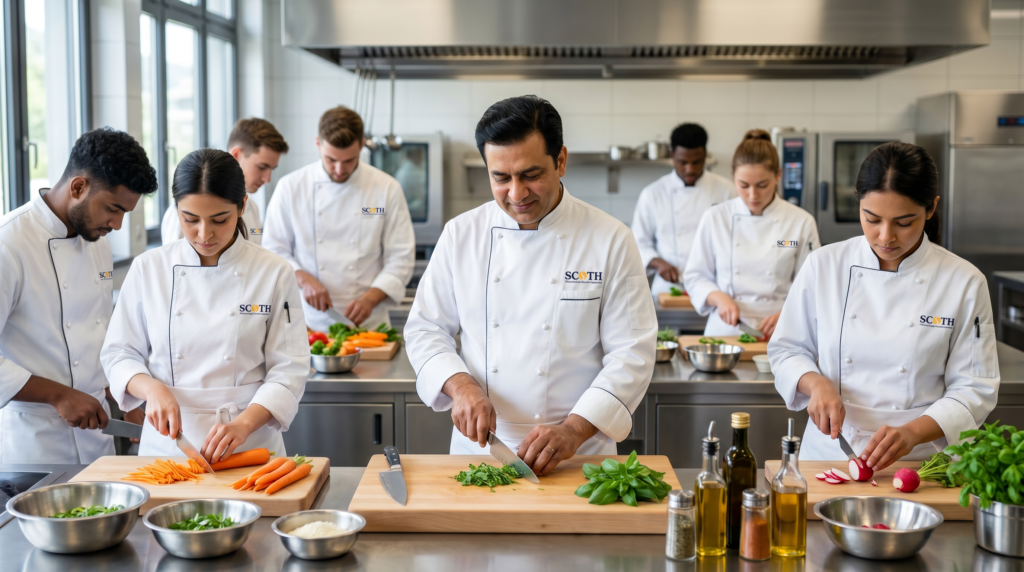
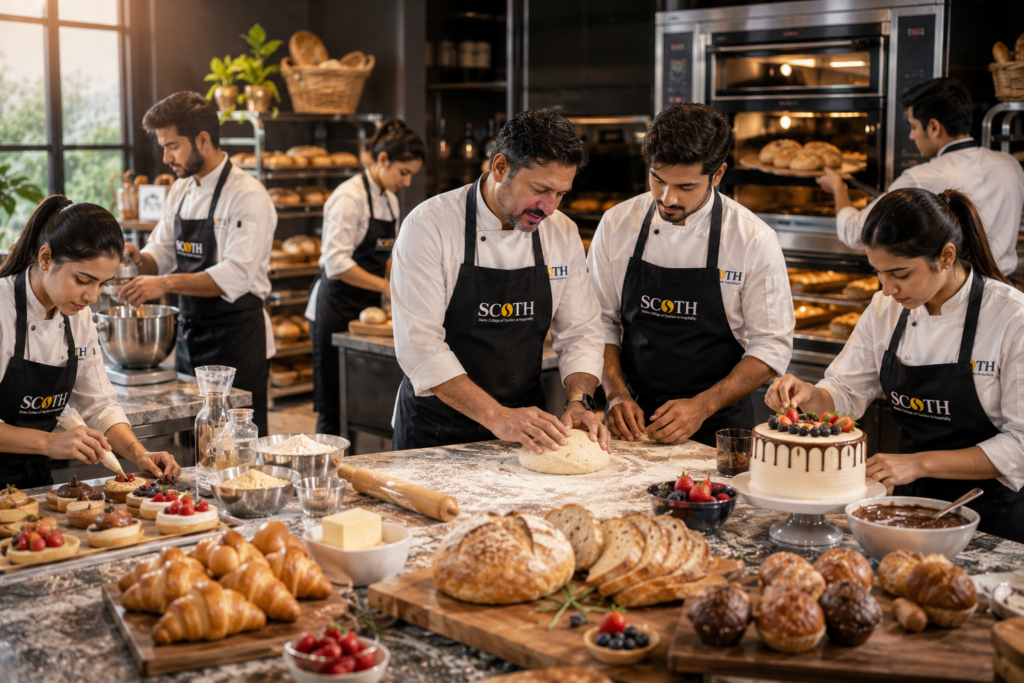
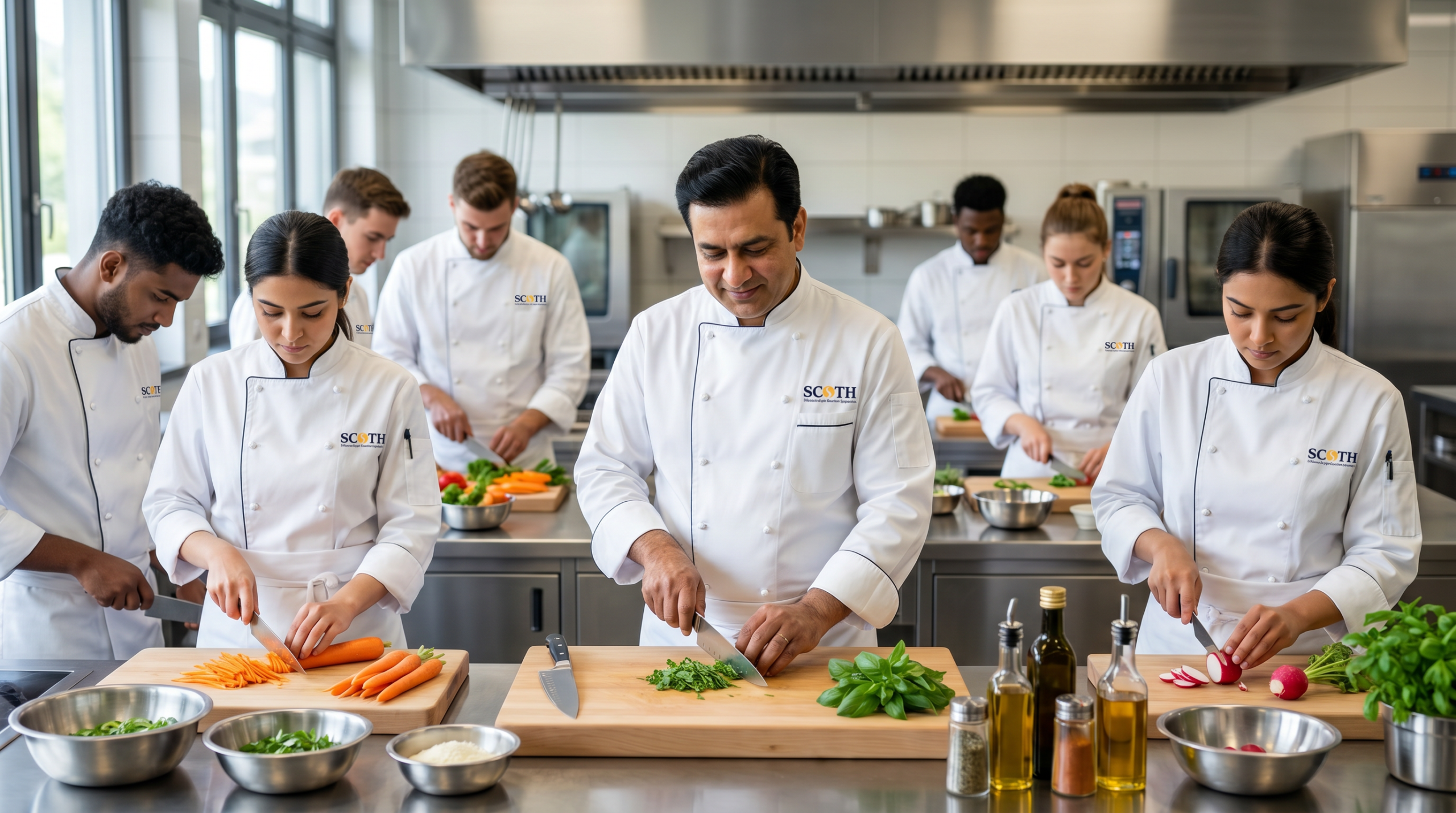
In practical industries, experience matters. Students learn more effectively when they can apply techniques in real or realistic environments instead of only reading about them.
Hands-on training allows students to understand workflow, timing, hygiene, consistency, and presentation in a much deeper way. It helps them connect knowledge to action. This kind of learning not only improves technical ability, but also builds the confidence needed to perform professionally.
Building Confidence Through Repetition
Confidence is one of the most valuable outcomes of practical training. A student becomes more confident when they repeat tasks, receive guidance, improve technique, and begin to see visible progress in their own skills.
This is especially important in hospitality. Whether preparing food, finishing bakery items, serving guests, or managing beverage presentation, students need to be comfortable with their work. Repetition and guided practice help them move from hesitation to confidence, which is essential for professional growth.
Developing Professional Discipline
Skill alone is not enough in hospitality. Professional discipline is equally important. Students need to understand punctuality, cleanliness, organization, focus, and the ability to work with consistency.
Training that emphasizes discipline helps students prepare for real workplace expectations. It teaches them how to carry themselves professionally, how to respect standards, and how to perform with care even under pressure. These qualities often make the difference between basic learning and true readiness for industry environments.
How Specialized Training Creates Better Opportunities
Students often benefit most when their learning is connected to a clear area of focus. Specialized training in fields like chef training, bakery, barista craft, or food and beverage service helps learners develop a stronger identity in their chosen path.
When students focus on a specific skill area, they gain more than general exposure. They build deeper understanding, better technique, and more targeted confidence. This can help them explore future work opportunities with greater clarity and purpose.
The Role of Presentation and Standards
Hospitality is an industry where details matter. Presentation, service quality, and attention to standards shape how people experience food, drinks, and service. Students must learn how these details influence professionalism.
From the way a plate is finished to the way a table is presented, or the way a drink is served, standards matter at every level. Training that teaches students to care about these details helps them grow into professionals who understand not only how to perform a task, but how to perform it well.
Learning in a Professional Environment
The learning environment itself also has a major impact on student development. A professional setting encourages seriousness, focus, and pride in the work being done.
When students learn in an environment that feels structured, polished, and skill-focused, they are more likely to adopt the right mindset. They begin to understand that hospitality is not casual work — it is a profession that values discipline, refinement, and continuous improvement.
Turning Training into Career Readiness
The real value of skill-based education is that it helps students become ready for what comes next. Good training should do more than teach techniques. It should prepare students to step into future roles with confidence and awareness.
Career readiness comes from practical ability, consistency, communication, and the confidence to perform in real settings. Students who are trained with these goals in mind are better prepared to adapt, grow, and pursue opportunities in the hospitality field.
Conclusion
Hospitality offers exciting and meaningful career paths, but success in this industry begins with strong preparation. Skill-based training gives students the chance to build real ability, professional discipline, and confidence in their chosen direction.
For students who want to move beyond interest and begin building a serious future, practical learning provides the right foundation. With the right environment, the right guidance, and the right focus, training can become the first step toward long-term growth in the hospitality industry.