Introduction
The culinary and hospitality industry is built on skill, discipline, confidence, and presentation. Whether a student wants to become a chef, grow in bakery, master barista craft, or build a career in food and beverage service, success depends on more than passion alone. Real progress begins when learning becomes practical.
At SCOTH, we believe students learn best when they are trained in an environment that reflects the standards of the real world. Practical education gives students the chance to build confidence, improve technique, and understand how professional hospitality environments truly work.
The Growing Importance of Hands-On Learning
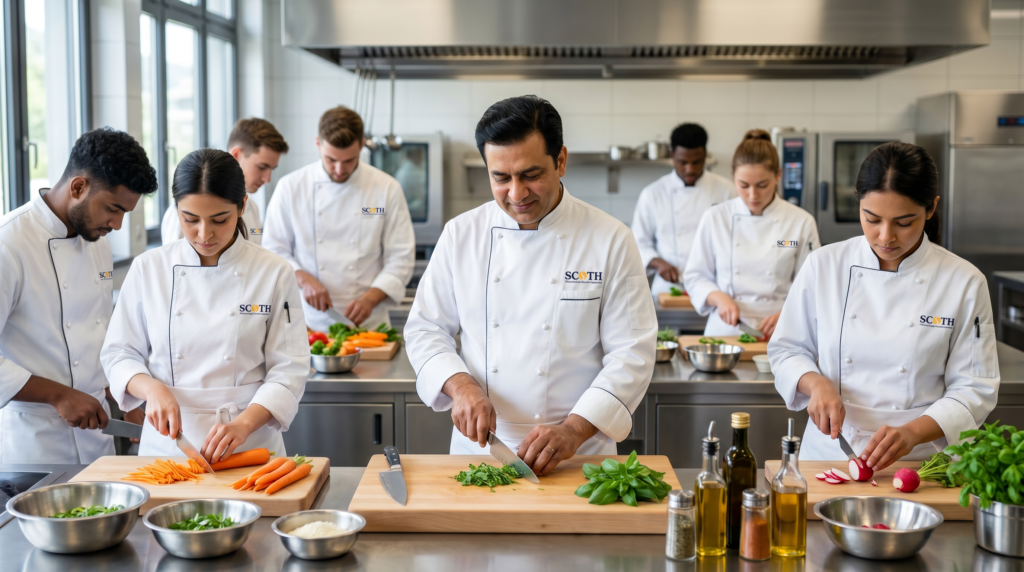
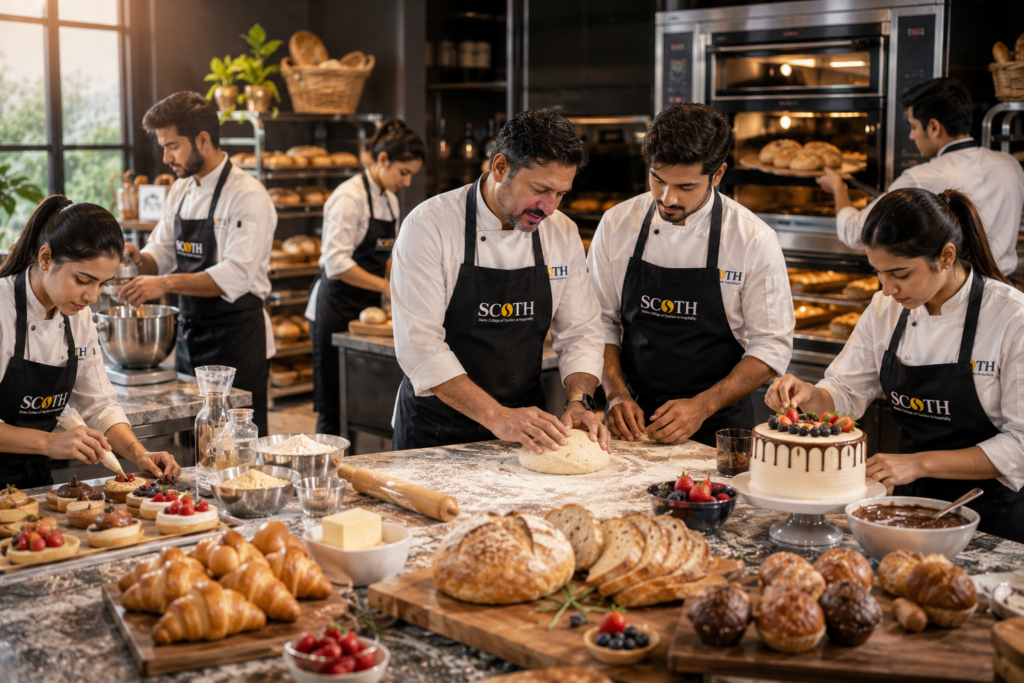
In today’s hospitality industry, employers value students who can do more than explain concepts. They look for individuals who understand workflow, hygiene, presentation, service standards, teamwork, and the discipline needed to perform in real settings. This is why hands-on training has become such an important part of modern education.
Practical learning helps students move beyond theory and connect their knowledge to action. Instead of only reading about kitchen methods, service flow, or food preparation, they begin to understand how each skill works in a real environment. This makes learning more meaningful, more memorable, and more useful for future career growth.
Why Practical Training Builds Real Confidence
Confidence does not come from information alone. It grows through repeated practice, guided learning, and the ability to apply skills in realistic situations. A student may understand a concept in class, but confidence develops when that concept is practiced with care and consistency.
In culinary and hospitality education, this matters even more. A student needs confidence to prepare ingredients properly, plate a dish with balance, serve a guest professionally, manage time in a busy setting, or maintain cleanliness under pressure. Practical training builds this confidence step by step and helps students become more comfortable with professional expectations.
Bridging the Gap Between Passion and Profession
Many students begin their journey with passion. They enjoy cooking, baking, coffee preparation, or hospitality service, but passion alone is not enough to create a career. What turns interest into opportunity is structured training that refines raw ability into professional skill.
This is where the right institute can make a real difference. When students are guided through practical tasks, disciplined routines, and industry-focused learning, they begin to understand what professionalism looks like. They stop seeing their interest as a hobby and start seeing it as a serious pathway toward growth.
More Than Theory: The Value of Skill-Based Education
Skill-based education gives students something deeper than classroom knowledge. It teaches them how to perform with accuracy, discipline, and awareness. In hospitality, details matter. The way a drink is presented, the way a table is set, the way a dish is plated, or the way a guest is welcomed can shape the entire experience.
These are not skills that are built through theory alone. They come from repetition, correction, observation, and guided improvement. When students train in a practical environment, they learn how to work carefully, think professionally, and improve through experience.
The Role of Discipline, Presentation, and Technique
Culinary and hospitality careers demand a balance of technical and personal qualities. Technique is important, but so are discipline, hygiene, timing, presentation, and communication. A strong learning experience should develop all of these together.
Students need to understand how to work cleanly, stay organized, follow standards, respect workflow, and present their work with confidence. These habits are part of professional identity. They shape how students perform and how prepared they are for future opportunities in restaurants, cafés, hotels, bakeries, and other hospitality environments.
Why the Right Learning Environment Matters
A student’s environment has a major impact on how well they learn. A professional, supportive, and practical training atmosphere helps students take their education seriously. It encourages discipline, focus, and steady improvement.
When students train in an environment that reflects hospitality standards, they begin to develop the right mindset alongside the right skills. They learn not only what to do, but how to carry themselves, how to stay consistent, and how to work with confidence. This kind of atmosphere helps students grow faster and take pride in their progress.
Preparing Students for Modern Hospitality Careers
Hospitality is a fast-moving and highly practical industry. Students need preparation that feels relevant to real work. They need training that supports their goals and gives them confidence in their own ability.
This is why modern hospitality education must go beyond textbooks. It should prepare students for the pace, standards, and expectations of the industry. It should help them build workplace confidence, improve communication, develop professional habits, and understand how their skills can be applied in real career settings.
A Strong Foundation for Future Success
A successful career does not begin with perfection. It begins with the right foundation. Students who receive practical training early in their learning journey are better prepared to grow, improve, and adapt. They understand the value of consistency, attention to detail, and steady skill development.
At SCOTH, the focus is on helping students build this strong foundation through practical, career-focused learning. Whether a student is interested in chef training, bakery, barista skills, or food and beverage service, the goal remains the same: to turn potential into confidence and confidence into professional growth.
Conclusion
The future of culinary and hospitality belongs to students who are ready to learn with purpose. Practical training helps them build more than ability. It gives them confidence, discipline, and a clearer sense of direction.
For students who want to grow in a refined and skill-focused environment, practical education is not just helpful. It is essential. With the right training, guidance, and professional foundation, students can take meaningful steps toward a future in the hospitality industry with confidence and ambition.